WHAT OBJECTS QUALIFY AS TREASURE?
The following finds are Treasure under the Act, if found after 24 September 1997 (or, in the case of category 2, if found after 1 January 2003):
1. Any metallic object, other than a coin, provided that at least 10 per cent by weight of metal is precious metal (that is, gold or silver) and that it is at least 300 years old when found. If the object is of prehistoric date it will be Treasure provided any part of it is precious metal.
2. Any group of two or more metallic objects of any composition of prehistoric date that come from the same find.
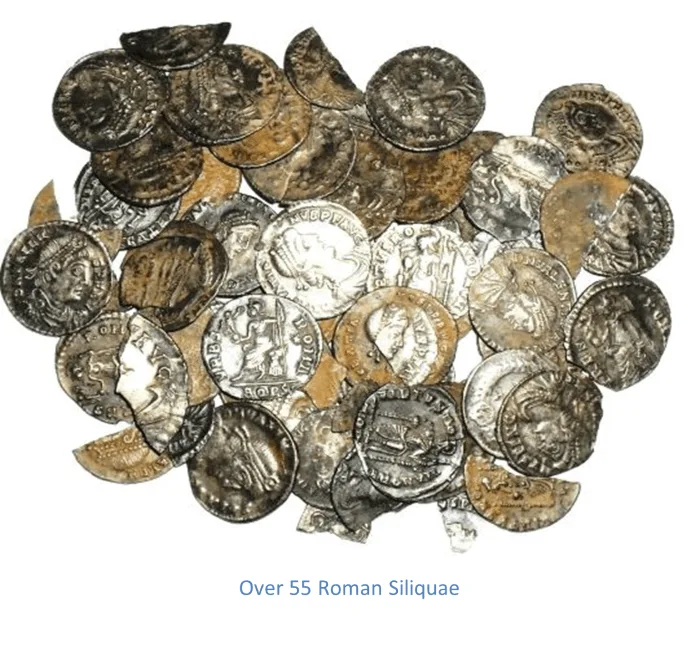
3. All coins from the same find provided they are at least 300 years old when found (but if the coins contain less than 10 per cent of gold or silver there must be at least ten of them). Only the following groups of coins will normally be regarded as coming from the same find:
• Hoards that have been deliberately hidden
• Smaller groups of coins, such as the contents of purses that may have been dropped or lost
• Votive or ritual deposits.
4. Any object, whatever it is made of, that is part of the same find as another object that is Treasure. An object or coin is part of the ‘same find’ as another object or coin if it is found in the same place as, or had previously been together with, the other object. Finds may have become scattered since they were originally deposited in the ground.
5. Any object that would previously have been Treasure Trove, but does not fall within the specific categories given above. Only objects that are less than 300 years old, that are made substantially of gold or silver, that have been deliberately hidden with the intention of recovery and whose owners or heirs are unknown will come into this category. THE TREASURE ACT 1996: INFORMATION FOR FINDERS OF TREASURE Under the Treasure Act 1996 there is a legal obligation to report all finds of Treasure: this leaflet provides a summary of the main points of the Act.
The Treasure Act 1996 replaced the common law of Treasure Trove in England, Wales and Northern Ireland, and was extended on 1 January 2003.
The Pilot
Blenheim Park, Bowerhill,
Melksham SN12 6TA
(Upstairs) 7-30 for 8pm
Last Thursday of the month (excluding December)
We abide by the National Council of Metal detecting code of conduct.
info@tdmdc.co.uk
Online form
©2025 Trowbridge district metal detecting club